S4 E2: "Block Box 11: Our convo with Bo Gottshau and Philip Peng!"




What would it look like to push the boundaries of ambulatory surgery under regional anesthesia? What new innovations are there left in blocks for shoulder surgery? How should blocks be taught, and what makes a good block name? Spoiler: Make it sexy. In this engaging episode, Amit and Jeff interview Bo Gottshau from Copenhagen and Philip Peng from Toronto, seeking answers to all these questions, and more!
Join us each month for another sassy conversation about anesthesiology, emergency medicine, critical care, POCUS, pain medicine, ultrasound guided nerve blocks, acute pain, and perioperative care!
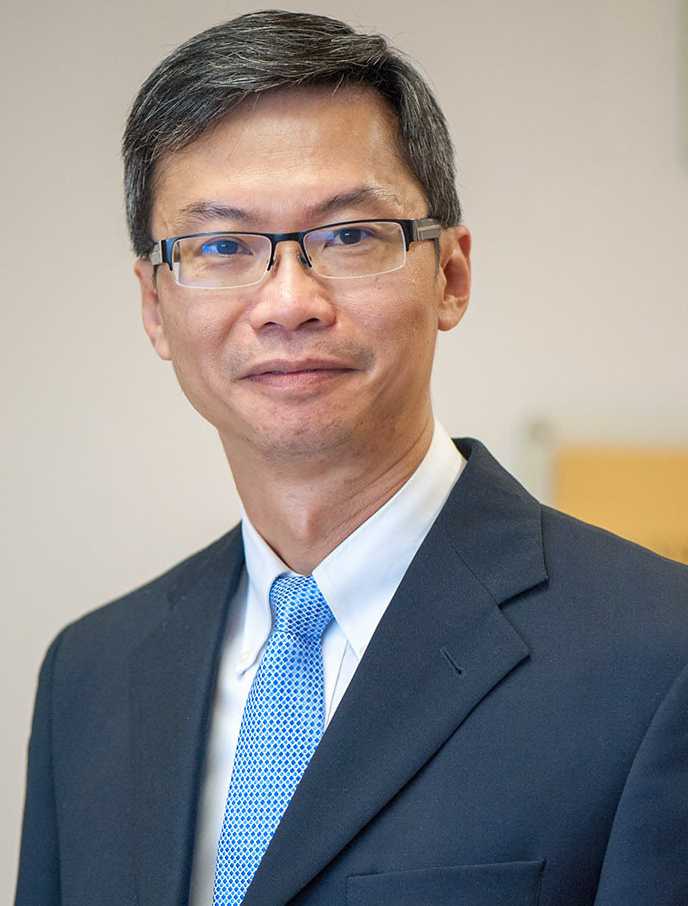
Professor
Dr. Philip Peng is the professor in the Department of Anesthesiology and Pain Medicine of University of Toronto. He is a leader, researcher, educator and pioneer in the application of ultrasound for pain medicine. His contribution of pain education resulted in “Founder” status from Royal College in Pain Medicine, and the Award of Recognition of Education in Pain Medicine by ESRA.
His innovative research led to different new procedures in pain intervention. He received numerous awards including the John J Bonica award from ASRA, Distinguished Service Award from both ESRA-Spain and Canadian Pain Society, Gold Medal Award from Canadian Anesthesiology Society, International Distinguished Career Award from Mexico Pain Society, and Leadership in Advocacy Award from CSF Leak Canada. He is the inaugural fellow to ASRA (FASRA) which recognizes the contribution of prominent member of the field. He has delivered more than 700 lectures and workshops nationally and internationally. He has edited 8 books and published 280 peer-reviewed publications and book chapters.
MD
Consultant 1993
PNB 1985 landmark, then NS, USGPNB 2004 - now
I work i a public hospital in Copenhagen (Gentofte university hospital) 30 theaters, perform 15 - 30 surgical plocks a day and 15-25 postoperative blocks a day.
I have a certfication pogram for consultans in order for them to be able to run the asemblyline.
We have 10 block places, and the dayli staff in the block room is 2 consultans and 3 special trained nurses. We have 7 trained consultans and 13 trained nurses to cower that.
The main mantra during the 20 years have been "X - 60" in order to get the surgeon behind the concept - that means that the patient have to be in the block room 60 min. before the surgeon aplay the knife, the patient signed and instruments for the surgery is verified
For surgery out side the trunk I have a consept I have named "A danish model"
no fas ting,
no sedation,
montoring for 20 minutes during the block performance,
supplement block (7%)
no monitoring in the theater
no anaesthesia personel in the theater.
We have tested TKR, mastectomi although that is with full monitoring and anasthesia personel pressent!
Edducational mantras during time:
"Practice before punkture"
"needletip, needletip and needle tip"
"axilary block OOP is the best edducational block"
"Safty rather than mastery"
"inplane - out of plane - no plane"
"The distingtion between a block and a block


