S3 E14: "Block Box 6 (From ESRA25!): Our convo with Athmaja Thottungal & John McDonnell!"



Greetings from Norway!! 🇳🇴 Amit and Jeff once again return to the GE Healthcare Block Box, this time at the ESRA25 meeting in Oslo! In this episode, we chat with Athmaja Thottungal about her motivation behind a career change, the value of healthcare coaches for preventative health, and some practical tips to chill out and engage in a "digital detox". Following that, we talk with John McDonnell and hear his thoughts on blocks new aaaaand not-so-new (and he teases us with some yet-to-be-published hints about a knee block he's working on...). Two incredibly insightful guests, two adequate hosts. Enjoy!
Join us each month for another sassy conversation about anesthesiology, emergency medicine, critical care, POCUS, pain medicine, ultrasound guided nerve blocks, acute pain, and perioperative care!
00:11 - Legends of the Fjords
00:40 - The Glass Box Experience
04:43 - Airport Fish Jokes
06:00 - Guest Introduction: Dr. Athmaja Thottengall
07:34 - Exploring Lifestyle Medicine
11:08 - The Patient Perspective
12:33 - Shifting the Healthcare Paradigm
18:31 - Morning Rituals for Health
21:00 - Digital Detox Strategies
25:37 - The Importance of Quality Sleep
26:56 - Addressing Alcohol and Sugar
27:52 - Conversations with John McDonnell
29:43 - The Journey of Regional Anesthesia
37:44 - Innovations in Pain Management
41:34 - The Future of Anesthesia Techniques
0:03 Long ago, in the land of fjords, warriors gathered in a hall of glass. They came from faraway lands, Copenhagen, Belfast, Eindhoven, Chicago. They spoke of legends and of nerve blocks. Their wisdom would echo through the ages in the living saga of... Block it like it's hot. We'll be right back. VÃ¥rden har du det, Ahmet? Ja, har de bra. Wait, hold on a minute, Jeff. Why are we speaking Norwegian badly, number one?
0:49 And number two, why am I yet again sitting in front of you in this in-person, in this sort of glass block box? What's happening there? Is it okay to switch back to English for this part? Yeah, yeah, yeah. Okay, great. We are back in collaboration with our friends at GE Healthcare. They've brought us together back in person for the second time. Yep, that's correct. This is a joint venture where GE Healthcare is supporting Block It Like It's Hot, and the podcast is being recorded inside this amazing GE Healthcare glass block box. We're not in Florida, however, are we? And for the benefit of our listeners, Jeff, where are we? Nein, nein, Florida, no. Oh, sorry. I'm not sure that's even Norwegian.
1:32 That's German. It could be. I don't know for sure, but it could be. We're at the 42nd Annual European Society of Regional Anesthesia, Ezra, meeting in Oslo, Norway. And this is my first time here in Norway. I'm really looking forward to it. Yeah, me too. I mean, so right now we're currently in the Nova Spectrum in Lillstrom. Sorry, I thought we were in Oslo, but actually in Lillstrom. But it seems that a box has received a little bit of an upgrade. It looks bigger to me, and you're a little bit further away than last time. Well, you know, it was a bit too close last time. I asked to be moved a little bit away. No, this is amazing. We'll share some pictures, obviously, but it's been... But like the branding and these two hunky guys right in the background looking slightly mean, right?
2:16 It's a bit odd seeing myself stare at me. Yeah, it is very weird. And you do look mean. that picture was used I'll tell you about that later was used in a lecture anyway okay Anyway so hey get over here for a hug it's been too long Hug Interlude. We need to get that out of the way. Yeah, absolutely. This is going to be a really fun meeting. Yeah, for sure. And it's so exciting to be recording our podcast right in, literally in the center. We are in dead center of the exhibition hall. We're literally smack bang in the middle. Yeah, yeah, I know. I know what I'm looking forward to. What are you looking forward to? Well, now that my speaking commitments are over, I'm really looking forward to catch up with guests. We've got so many guests lined up for this podcast.
2:59 It is a who's who. Yeah, yeah. Of like regional anesthesia and POCUS. should make for a great few episodes. And I'm sure we'll be talking about some new and exciting things too. I remember you were speaking yesterday. How did everything go? It went okay. I think in the morning I was talking about blocks of breast surgery and classic. I just had that slight drama. Do you know the whole thing when they say, please don't use products made by Apple at conferences? And I decided I was going to do that. Is it still a thing? Yeah. How is it still a thing? I don't know. And then they said, oh, can you upload it? We'll convert it to PowerPoint. point i said no oh So you're a bit of a brat yeah and. So i insisted on using my own computer and then the it didn't work for like for a good 10 minutes uh of my 30 minutes so you told some jokes no we just sat there i started to perspire slightly and then it was okay and then and then it worked magically some guy pulled out a cable and plugged it back in again and it worked fine so i did that and then i just had a pro-con debate with morne walmerins all about mixing local anesthetics so that was all finished i'm Sorry what did you say mixing local.
4:02 Please. Yeah, yeah. Tell him Mornay beat you. Well, the debate was a pro-con debate about mixing local anaesthetics. And I don't know, maybe we'll save the outcome of the debate. So when we get Mornay to come on as a guest, we'll talk about it later. Okay. All right. Let's move on then. Save that for later. Hey, have you got a joke for me? Yes, I do. Listen, before we start though, I want to tell you, did you see that statue at the airport? No, I didn't see one. There was like a big statue of a fish wearing a tuxedo, like in a bow tie. And I thought to myself, now, that's so fish-ticated.
4:43 Airport fish jokes. Yeah, yeah. Another one. Another one. yeah i mean i've got i've got no idea why i got a thing for fish shakes but i but i was gonna say as we were making our way over to the venue i did look out all the mountains i was trying to work out why the mountains look so funny to me and then it struck me they're hilarious hilarious hill areas no hill areas okay uh stick With the fish jokes man that was okay. Well i've got one last one all right this was this is from from john bailey one of our azra guests what kind of doctor do you see when you have a cold uh i don't know an anasneesiologist That's good probably.
5:23 The best that's Good yeah yeah was that from his kid that was from his kid yeah yeah yeah. You've got one for me right yeah Well listen like a friend of mine just recently got a job a can crushing plant okay But he's just, he's really down. It's so depressing. Oh, that's good. Okay, so, so. Okay, you know what? We'll just spare you the rest of the bad jokes and get right into it. Our first guest is the amazing Athmaja Thottengall from the UK, who is an anesthesiologist, pain doctor, educator, and recently lifestyle medicine specialist. She has some words of advice we could all benefit from. All right, Amit, I am super excited for our next guest.
6:07 Yes, I have to say I have a big connection with this particular individual. We were training together. We were trainees together. We cycled through many of the same hospitals together. But she doesn't look 60 years old. She looks much younger than I. You're absolutely correct. So we are joined by none other than Dr. Athmarja Thottengall. an anesthetist, regional anesthetist, pain physician, and lifestyle physician, amongst many other things. Atma, thank you so much for joining us. Thanks for coming. Thank you, both of you. Such an honor, such a pleasure. I mean, you both, as Amit said, you know, we grew up together in the field of regional anesthesia. We both were fellows of Rafa Belkut.
6:48 That's absolutely right. Oh, okay. And El Sora London Society of Regional Anesthesia. And we were like Jeff Godson, like Lord of Regency. You know, we looked up to you, even though you're the same age as us, just to clarify. Wait, what? But it is such a pleasure. And we listened to your podcast and, you know, your dad jokes. He had it even from that time. Yeah, it wasn't something I developed just for this. I think he comes by it naturally. Yeah, that's right. Such a pleasure. When Athmarja talks, I cannot help but force myself to stop and slow my breathing down and relax. There's something about the way that she talks that has such a calming influence.
7:30 So there is a whole other side to you that we don't know about, right? So we talked about sticking needles into people and regional anaesthesia, but there's a whole other side to you. So tell us a little bit about what you do outside the traditional region of anesthesia. And then we're going to talk to you a little bit about how we can improve ourselves and make life beneficial and better for us. So tell us about that. So officially, yeah, I will tell a little bit of history behind it. Like everyone else, I did my medical school as normal, conventional medical education. Then became, I was interested in surgical field always. So, I did six months of pediatric surgery because I really like surgical side.
8:13 But I kind of realized emotionally I was so distressed every day seeing these kids suffering. I said, you know, I cannot continue this for my entire life. So, I moved to the happier side of pediatrics, which is obstetrics. Okay, yeah. So, I worked as an obstetrician for two years. Whoa, I didn't know that. This is where⦠We're learning so much. This is what's amazing. This is where I saw women suffering with pain. pelvic pain. And pain itself is a dark speciality in anesthesia. Nobody is interested. You know, as soon as you hear the word chronic pain, eyes are rolling upwards and nobody wants to know. And in the pain world, pelvic pain, especially female pelvic pain, is the darkest corner of that speciality.
8:55 One, we don't know what to deal with this, And we don't want to kind of acknowledge that women are suffering. I thought something has to be done about it. So I changed my career to become an anesthetist, to get trained in pain. That was always your end goal. Correct. So that is why my subspecialty interest is in pelvic pain and pelvic pain. Yeah, okay. But as a doctor, I was, I mean, as a person, I was always very close to yoga. because that was part of my dancing training and everything to get focused. Wait, are we dancing on this podcast? We are not. Dr. Sotico can dance.
9:36 Yeah, so it was there in my blood. And always I knew something is not right the way we are treating our patients. Something is missing somewhere. Until I became a person myself, I realized everything that we look at is symptom, symptom management. We never talk about the root cause analysis of the problem. We are very good at treating acute problems. Like you come with a heart attack, I still go to a medical hospital to have my thrombolysis done. Once they are done, you chuck them out. Yes, it's so true. You treat the acute problem like the cause. Yes, we never think why this patient had that one.
10:20 Was there anything that could have been prevented and what can we do to prevent happening again we never think same with the pain as well regional anesthetist as we anesthetist we are trained in the theater what can you do where can i stick a needle in how much pain relief can i provide or zero pain in the recovery once they are out of the recovery that's it well we don't See it if you don't see it it doesn't happen therefore It's not a problem correct right As a chronic pain specialist, I picked up these patients at the end of their journey, way down. And when you look at their journey, we pick up so many points, we missed the boat.
11:02 Right. Or we could have probably changed around it. But I was not doing anything formally at that point. COVID came, long COVID happens. I had a long COVID. I became a long COVID patient. Really? Okay. That was the time, as a patient, you see a completely different perspective of medicine. People were looking at me like a symptom rather than a person. They wouldn't correlate symptom A with the symptom B. Right. They wouldn't even connect those two dots together. And then I started my own research. And this is where I realized the most important features that we can modify or patient factors.
11:45 So, if you look at any of these articles published about the prevention and factors, risk factors, predictive risk factors, lifestyle factors and pre-existing pain is the major factor than our regional techniques. Yeah. Yeah. Even surgery. So, if those conditions exist before a surgical insult, that is going to influence what happens afterwards much more than what we do the last 16, 18, 24, 36 hours. Correct. We make beautiful slides for our presentation. You know, the risk factors, catastrophization, anxiety, depression, sleep deprivation, previous or opioid usage, female gender, obesity.
12:27 We put the slides on our presentation. What do we do about it? Nothing. Nothing. So this is where, as a patient, I decided I need to have a formal training. This is where I did the lifestyle medicine degree from the International Board of Lifestyle Medicine and the British Society. So I am duly certified. And I thought, oh my God, I can change the world. Yeah. Yeah. I realized patient didn't want to change because as doctors, we are different. prescribe. Yeah. So that's what they're expecting? Yes. A prescription? Prescription. But as patients, nobody likes their autonomy being taken away. Their power is taken away. You say, you have to stop smoking. Yeah. You have to lose weight.
13:11 If they could, they wouldn't be in that position to start with. Yeah. Can you prescribe a treadmill? Correct. How can you prescribe? You say, go and reduce weight. They can't do that. That is why they are there. Yeah. I went and inquired, how can I become a better physician who is in partnership with the patient and where I can empower the patient, you know, putting that responsibility back into the patient's court. So I went and did health coaching certification from Institute of Integrated Nutrition, where the nutritional part of lifestyle medicine is very important, and coaching, how you become a good coach for the patient, which made a big difference. So now by changing the language that I use, patients feel they are making the decision.
13:57 They are deciding to stop it. They will stick with it because it is your rule and your decision, Not mine. I do that with my surgeons. I make them think that they asked for the block. It was really me asking for the block. That's really clever of you to combine those, have the insight to say, okay, I have the knowledge to make you better, but you're not listening to me, so I need to become a coach to have those skills. How many people would go and educate themselves or train themselves to become better? Exactly. Oh, I'm listening to me. No, this is what is. So the change in the thought process was number one player in the world in any sport, they have a coach. Right.
14:38 Why do they need a coach? They are the number one. Coach will always show you your blind spots That's a great question I mean. Because it's guys number one Why does he need to be talking to somebody who's maybe not good at playing as he? Correct Because the coach may not be as good a tennis player as a number one player Blind spots, Okay So coach is not a trainer Right. Trainer will train you the technique. We are all educators and trainers. This sounds like It should be obvious information, but it isn't necessarily, is it? For me, it was showing my blind spot as a trainer. So now I am becoming a coach for my trainees. Right. Not necessarily just a trainer. Right. I coach them so that they can see their blind spots.
15:24 They can improve. They're all skilled. They are professionals. Do you train your fellows? Do you mentor your fellows? Or do you coach your fellows? or do we'll do all three? I would love to say that I do a little bit of both, but I probably need to do a better job at the coaching part, I think. Yeah. So can you give us an example of a patient interaction? Like when do you see them? So this is where we feel as professionals or regional anesthetists, the most important part is the regional anesthesia. Nothing else in the world changes. So like today, both my lectures were about how the lifestyle factors need to come in. And I'm going around educating everybody to understand when we see a patient, we need to see the whole patient, not just that particular thing.
16:09 And SRI is actually taking that initiative to form a new working group called POPOS, Perioperative Pain Optimization, which includes, it's like an umbrella term for including the lifestyle factors, the patient factors, the pain factor preoperatively, continue that transition through the intraoperative period and also fill the gap between the acute pain, three months, chronic pain, six months, that gap, and bring all these people, everyone together around one table, how we can make the journey of a patient much more useful and more productive. And, you know, whatever money we are spending, we need to have the value for the money as well.
16:53 Which is so important. Rather than everybody working in silos. All these things, I personally, as a doctor, I learned a lot in this journey. But as an individual, I realized how important it is to look after yourself. Yeah. You know, care the carer first. Yeah. You need to be, see, if you're anxious, if you're not in your best emotional state, you will not give the best care for the patient. Yeah, that's true. You need to look after yourself. And actually, doctors and all healthcare professionals are the worst patients as well. I can 100% attest to that. There must come a point in everyone's life where, so I thought I was cruising for a while and it came to a point when suddenly I started to feel a bit more anxious about things or you have life stresses or things take over.
17:40 It's very difficult not to let that translate into the practice of what you do. And we all try to separate our work life and our home life. If you're stressed, you're worried about things. So what are the strategies that we can employ as individuals to be healthier, to be less anxious, to deal with their symptoms? Because I feel like this thing is maybe not great because my life revolves around the thing that I'm holding in my hand. Just for clarity, if people are not watching on video, I'm talking about my phone as opposed to anything else. So everything that I need to know and do based upon this, what are the type of things that we can do to have a healthier, Cleaner life? You know, people think, oh, it is very difficult to do.
18:24 Actually not. It's about the change in the perception and what we think is important. As a doctor, you are dealing with an emergency, whether it is regional anesthesia or anesthesia. Are you thinking about your phone at that point? At that moment, I really hope not. Yeah. Correct. Precisely. So we are focusing on the patient. So this is all about how we learn to focus on something by prioritizing it. You can do very simple practice in your life. For example, the first thing in the morning when you wake up. I know what she's going to say. Yeah. Don't have your phone next to you. Yeah. You have to stand up, go, get the phone and do it if you can't control yourself.
19:09 Yeah, yeah. I'm guilty of that, too, because I use it as an alarm clock. Then the first thing I do is like, oh, what's new today? Going through the phone, your dopamine is through the phone. What did I miss? What did I miss overnight? Correct. What did Amit text me overnight? Yeah, yeah, yeah. Then your cortisol is through the roof already. Yeah. Yeah. Even before you get out of the bed, your blood pressure is up. Yeah. But why is it? You're right. But why? Why are we getting wound up? What is it? The dopamine is more addictive than anything else, actually. That is why everybody gets addicted to sugar. Sugar is more addictive than even your cocaine because your dopamine surge. Why the kids are so glued to the food? Because it is the dopamine and they get the dopamine withdrawal.
19:53 So it's just like, I have to do it. I have to do it. So, I practice yoga and I take a conscious decision at least once a year to have an electronic gadgets holiday. For how long? That depends upon how much time I can have. Like this year, I had three days. Okay. Complete. No digital contact at all. Just leave it. Phone is there. Phone is there that, you know, if you need an emergency or whatever it is, it is there. Like now, we started this podcast. Yeah. You put your phone away. I immediately put it on my phone and in the aeroplane mode. Yeah. So nothing is going to come. Right. So it is there as a tool. How are you feeling right now? A bit jittery?
20:33 No. I'm joking. Yeah. But I might be. Yeah. This is what, you know. Yeah. See, I know that it is there in case of an emergency or anything. I have got access to the tool. That is a tool for me. Right. Not my life. But when you are doing your digital detox, say for three days, do you couple that with when you're on an actual holiday or a break because presumably if you're out to work, it's not possible. You can do micro digitalized toxicity removal as well from your life. Like for example, when you get up in the morning, I wake up with gratitude. Gratitude is an emotion for you to bring your body vibration.
21:16 We all know that we have a frequency in our body that bring to the highest level possible for you by Be by having gratitude you take your body frequency to the highest Level yes i love that how many times have you said thank you in your mind i'm Getting goosebumps when she's saying this because Your parents yeah your loved ones yeah your children your wife your dear one near ones your friends whoever it is even being just alive waking up in the morning. The answer is not enough. Correct. The answer is not enough. So take that five minutes for you. Yeah. Or even a few minutes. This feels like counseling for me right now.
21:57 I feel free to charge us for this too. That's so true. I love that concept that embracing gratitude helps your health. Absolutely. That brings your cortisol. Because naturally in your circadian rhythm, morning cortisol levels are high. in your body. And by looking at your phone and going through the social media and all these negativities around you, you are just skyrocketing that through your... Once you have that cortisol up, your sugar is up, all your immunosuppressants are high in your body, why do you start on the wrong foot in the morning yourself? Yeah.
22:37 This is inspiring me, but what... Okay, let's be pragmatic or practical about it so i totally get don't make it be the first thing you reach for I think I can do that. Yeah. I think I can do that. But in reality, the jobs that we're doing, we're doing a podcast, there's a little bit of promotion, But there's also natural curiosity. We are using these platforms. Correct. Is there a way to be sensible with how you use them? Absolutely. So limit the time period with which you engage with certain platforms. Don't you put restrictions on your children? Yeah, we do try. We do. Do you know, we have our kids, we were late to get our kids' phones because we were concerned about exactly this, right?
23:24 So our two older kids have phones, our two younger ones don't. But the rule is it can't go upstairs. So at nighttime, in the evening, plugged in, in the dock, and they're upstairs. But my wife and I have our phones at our bedside tables. Correct. I wonder if we should be putting ours downstairs too. Simple things. Maybe just buy an old-fashioned alarm clock. Yes. Do you know, I tell my patients, bedroom is for sleep and sex, nothing else. Oh, my gosh. Honestly. Yeah. Yeah. It shouldn't be for anything else. No electronic gadgets. No scrolling. No TV. Because the blue light. Oh, it's horrible. When you have in your brain, that resets your biological clock. Because your melatonin production is depending upon the festive blue light ray coming into your mind.
24:06 Yeah. 16-hour zone, your body produces melatonin. So when kids or ourselves are like scrolling through the TV or phone, your melatonin production is low. So your sleep quality is poor. If you ask me one thing other than, you know, forget about the food, whatever it is, one thing that you have to change in your lifestyle, quality sleep. Quality sleep. Wow. Quality sleep. I know the answer to this. I'm going to ask you, how much sleep do you get per night? Okay. So it used to be not enough. used to be not a lot and then i read this book why we sleep by matthew i forget this last name but it was horrifying the first part is like the physiology of sleep which i kind of knew about like ram and non-rab and then the second part was all the bad stuff that happens to you when you don't get enough sleep and the horrifying message was it's not reversible like what's done is done i've done the damage i can't like i used to think oh i'll catch up on the weekend you can't catch up It doesn't work that way. Yeah, yeah, yeah.
25:07 Anyway. This is not about the duration necessarily. It's the quality. It is the quality of sleep and how deep sleep you get it. Because you produce so much of waste and things in your body, all the cleaning up process, your repair, everything is happening, including your DNA repair. So we are not allowing our DNA to be repaired properly by not sleeping. Correct. And that's why cancer rates are associated with inadequate sleep. Dementia. Wow. So, I no longer have caffeine afternoon. Afternoon. Well, I guess I'm having some now. It's, again, you know, some people are very sensitive to caffeine.
25:50 Yeah. Some people are not. But the general advice is if you can avoid caffeine later in the night, always good for you. And as doctors, by default, we put ourselves under a lot of stress. Like, for example, the night shifts and things like that disrupts our circadian rhythm big time. On top of that, you know, risky substances that people use and the stress level that we go through and lack of sleep. That is why doctors after a certain age, they have the highest incidence of medical problems, stress-related problem, and early death. Can I ask you a question? Of course. So, avoid blue light close to bed. Avoid caffeine if you're, you know, close to bed. alcohol.
26:33 I'm hearing more and more about, I know about the effect of alcohol on sleep, but I'm hearing more and more about the effect of alcohol on just everything, you know, how long you'll live. There are more and more people I'm hearing about that are just giving up alcohol altogether. Yeah. Alcohol, smoking are well-known risk factors. Yeah. But I would add sugar. Yeah. We are bringing up a generation of children who will be living at least six to seven years shorter than their parents, purely because we are making them metabolically unwell from a very early age. Would you give your children alcohol when they are four years old? No.
27:16 Only if I wanted them to sleep. No. Yeah. Okay. Yeah. Yeah. Yeah. Why do you give this much processed food and alcohol as any sugar to them? Yeah. So that is why we see young children as nine years old, 10 years old, coming with a fatty liver, non-alcoholic fatty liver, and this is becoming the next ticking time bomb, diabetes and non-alcoholic fatty liver. There is a lot we need to do as doctors. I think we need to get a whole episode or two with Athmar on it because we could speak to you, we could listen to you forever. There is a wealth of information in here presented in such a calm and beautiful manner that I could listen to you speak for hours.
28:00 Yes, I agree. So, thank you. And I don't feel I could. I don't want to spoil this by asking for a joke. I think we've just left it with lots of things to think about. And it would seem to try to introduce a sense of humor to this bit. Just because you asked a joke and it is in that I'm still related. I'll tell you something. When is the worst time to have a heart attack? Oh, gosh. Oh, my God. This is... Okay, no idea. When you are playing a Damsharads. When you're playing a what? Damsharads. Yeah. So tell me with that. Oh, yeah, yeah. Because nobody will believe you that you're having a heart attack.
28:42 I got it, I got it. It's a heart attack. Yeah. Don't break my heart. Very good. Wow. She made us think about that. Yeah, it was good. Thank you so much. Thank you for joining us. You know, it's so, how can I say? It's again, you know, overwhelming happiness to see you both doing such a wonderful job and spreading the word of regional anesthesia and also making it so cool. Oh, I try. Well, thank you. Thank you for being here. So good to see you. And I think we've got to get Dr. Athma on as an episode. Yes, if you'd be willing to. If you can bear us again. Always good to talk to you guys. Thank you very much. Thank you. Next up, we interviewed longtime friend and incredibly humble and great guy, John McDonnell from Galway, Ireland, who told us the origin story of a very familiar block and teases us with some new things he's come up with.
29:34 But in the end, he just wants to be remembered for the flick. John. No, you're not John. Who are you? I'm Jeff. Yeah. Hi. Jeff. Yeah. Nice to meet you. Nice to meet you. So I'm going to introduce a guy called John in a short while, who, like some of the other the people we've had on the podcast has kind of left a stamp on regional anesthesia uh left his name there and and done lots of things but he's not only done what i'm not allowed to talk about which we'll come to later but he's taught me how to do paravertible blocks so he is the guy He's the guy that taught you how to do. Pvbs yeah so he said to me i met him somewhere in london and he told me we're talking about paravertible blocks he said come i won't do the accent he said come over to ireland come over to ireland and spend a day and a half with me which is which i did and i call my surgeon at lunchtime on the first day i was like got to give me extra time in theater when i come back next week because i've seen this guy do some crazy stuff and that was the beginning of my journey in paravortals i'd love to introduce the one and only john mcdonald john thank you so much for joining us john Welcome buddy fantastic to be here and it's also so frightening To do here.
30:42 This is a gentle podcast. I have no doubt. But I've been listening to it for a long time. I've phoned and complained. Phoned and complained. Yeah, yeah, yeah. And I've been pushing Amit to get this as part of our CPD or CME. It's a great resource, but it is extremely intimidating to be in a glass box when I haven't been committed. The door's all locked. You can always get out if you want. It's an escape room. The sound desk says otherwise. So listen, you know, as an icebreaker, we often use a bit of humor here. And one of the things that John was most nervous about was coming up with a joke. So have you managed to come up with a joke? We have come up with a joke.
31:22 Oh, okay. Excellent. That's great. What do you call this? He's sort of Waving his hand. A little bit. So you know what? There's a trend because your Irish colleague did the same one, but used words. Is that a microwave? It is a microwave. Louise Moran told the same jet. I'm pretty sure she told the same. She told me that last night. She set you up. She set me up. Okay, I have a second one. Why did the two skeletons not fight each other? Why did the two skeletons not fight each other? it's going to be something like no body, no muscle. I don't know. They had no guts. No guts. Okay. Listen, that is a hundred percent. That's good. Nailed it.
32:05 So John, you've kind of been practicing regional anesthesia for a pretty long time and you're based in Galway, right? Yes. So where did your interest in regional anesthesia first start and how long do I have to let the podcast go before I can talk about the tap block? I thought I killed a tap block. I started when I was a registrar and I was working in hospitals where we didn't have a lot of, I suppose, ability to do epidurals because we didn't have the beds to place patients into. So the ability to do another block that wouldn't require a high dependency or an ICU bed or a monitored bed is what stimulated my interest in regional anesthesia. And then obviously the initial work with a tap block and then my move to Galway to work with like my heroes, like Brian Canarns, Jerry Coughlin, Bob Kincannon, and then threw that to all the other people internationally.
32:54 But it started with the fact that we couldn't do the gold standard. We couldn't provide epidural based analgesia. And you couldn't Do that because they had to go into a high dependency bed? Yeah, because the nursing care and the wards might not have been of a standard that was good enough to look after somebody who had sent her in your actual blockade. And everything I've done since then is it's trying to find a solution to a problem or to look at what's being done and see if there's an easier way to do it. My problem is that I can't just put the probe on and see everything. I have to prove it to myself. I have to have a stepwise manner of doing everything. You know, in the morning I get up a certain way, I press a certain way.
33:34 It has to be stepwise. And likewise with regional anesthesia, I have to have a logical way of doing my blocks. Right. So I end up changing a lot of what I'm doing. And that's where the top block came along, because as you know, there are no new blocks. There's just new approaches to old techniques. And the top block wasn't a new block. It was an adaption of Bernard Dillon's work and other people who were doing local infiltration. So what was The kind of like aha moment for you with that. Though? Oh, the story is a little bit infamous. We had a young lady in Limerick who was having a midline laparotomy for ovarian CA, so a pelvic clearance. And she was, I think she was 21 years of age. And we couldn't give her an epidural.
34:18 Full length laparotomy. And my consultant at the time said, is there anything you can think about? Can you do rectus sheath blocks before ultrasound? And it was, yes, I can, but I haven't done many. I was only two years, three years in practice. And he said, well, can we look at something else? We were looking at Bernard Dayland's work. And he said, can you find a way to get in posterior to the mid-axillary line? He went home, took out his netter, asked me, could we palpate the lumbar triangle of a T on that girl? Came in next morning, palpated her. Said, do you think you can get a needle in? She said, yeah, of course. So I got a blunt needle, the plexifix needle, which was just going out of fashion and out of production at the time.
34:59 Did tap blocks on her, threw everything we could in terms of opioids at her and prayed. Next morning, came back to see how she'd done. We'd asked the nurses overnight to make sure that she'd been comfortable and that she'd had enough opioid. Came in, she had gotten 10 milligrams of opioid morphine overnight and she wasn't in her bed. She was gone. So we didn't know what happened. nurse said she was there a few minutes ago she might be gone for a walk gone For a walk Midline laparotomies found right the front door of the hospital having a cigarette and uh are you okay i'm fine are you sore no so Hold on let me get this straight she just had a midline laparotomy but this big thing yeah and only ten of morphine Intraoperative opioids opioids in recovery but overnight 10 milligrams were given to her because she must be sore yeah You expected she was good Yeah so we got the nurses to Work protocols yeah.
35:53 And the next morning she left her hdu ic bed was out the front of the Hospital she was on a ward we didn't have Oh she didn't Because she didn't have so we couldn't do an epidural she left The ward and was at the front of The hospital smoking a cigarette and she looked my surgeons really upset with me and we're like why well i was trying to do some crunches this morning because i want to keep my body and we're looking kind of going this is something not right she's either psychiatric or we've done something and have we done some damage? Brought it back, assessed her, everything was fine. And then we did a few more blocks of similar quality. And then it was coming towards the end of my time in Limerick. But what we did was, Nadeem Rafi was the chap that came up with going through the Lumber Triangle of a T. He was the guy. He was a locum consultant in Limerick at the time. And we asked him, did he want to stay on the research? And he said, no, I don't need it. So I went back to Dublin.
36:40 I met the one and only Brian O'Donnell. Yeah. I told Brian, I have this block that works. Brian looked at me like I was batshit crazy and said yeah It's fine you're good So Prove it to me. Did a few in Tala with Brian. Brian was, wow, we have something here. And then Brian made the top block because Brian did all the ethics, all the approvals. Brian did all the hard graft. I just did the blocks. And it just grew legs. But we pushed for years and years and years to get it to where it was. And then we had the whole problem with ultrasound coming in and changing the dynamics of the block. So it's been a journey. It's been a big journey.
37:23 That's so cool. But it's amazing how those index stories, right? You do it once and like that. I remember trying to relay that story, but it's so much better hearing it from the man himself. Yeah, yeah, yeah. I'm glad you didn't, actually. Well, no, I have told it once before. If you remember back in the day, I blocked it out. Yeah, you blocked it out. Yeah, very good. But you've made your stamp on history, which is great. But that's not where it ends, right? Because you'd think, hey, I've done my, i put my name in regional anesthesia and actually check that box he doesn't want to talk about the tap block anymore he's over that so there was a whole but you did have those nice studies showing tap blocks with local answer contrasts going up into the paravital space which was an eye opener for us we're like okay when you don't want to do them here we want to be doing them back here but i don't want to talk about that because just recently published in was it in bja was it anesthesia Anesthesia.
38:13 You published another block, man. I thought we were done with new blocks. It's not a new, again, there's no such thing as a new block. What have you just recently published and why are you excited about it? Again, it's an adaption of what's being done. So you've got Axel Suter, Jens Borglum, Rafa, all these guys that are doing this amazing work in innovation. And I end up being in a situation where I can't provide a certain type of analgesia. Again, it came back to the fact I had a patient for a hip morbidly obese who'd had a spinal decompression so midline decompression from l2 down as far as l5 so i couldn't do a spinal couldn't do an obviously do an epidural she was for revision hip surgery and because she was so obese i was worried about the opioids i don't thought what will i do and i was scared of about doing a source compartment block because of stephen mannion's work on terms of the sheets and the epidural sheets coming out and she was big and there has to be something that I can adapt. The QL block wasn't going to be enough.
39:13 So I said, if I go a little bit deeper... And go into the psoas fascia, Just under the psoas fascia, into the psoas muscle, inject, pull back until the fascia pulls away. And then the local anesthetic should spread very much like a rectus sheath block within the psoas muscle and get the nerves as they come out through the psoas muscle and you might get some trickle back. Hold on, let's go back again. So you're not doing a QL? No, definitely not. So you're coming from posterior? I'm using Jens Borglum's transmuscular approach. Right. But not stopping at the QL, I'm going further and I'm going into the substance of the source muscle to get my needle placement because the fascia tense a little bit in front of you. So you make sure you're in psoas. Yeah, but millimetres. Like doing a rectus, Well, the opposite of rectus sheet where you go in the muscle inject and then you go a bit further to get to the fascia. You're overshooting.
39:58 I'm overshooting slight, but millimetres and then pulling back. I don't want to inject in the substance of the muscle. I want to inject when the fascia lifts off the psoas muscle. Yeah, the inside of the sausage case. Exactly. Just like a rectus sheet block. You and your food. I love sauter. I get hungry. So not in the division within the psoas where the. Lumbar plaque is there. No, not in there. Superficial to this. Okay. And so initially I called it the sub-psoas fascia. And then I had this fantastic registrar, Ben Canton, who's in Canada, gone to ICU. What a waste. And he said, no, no, no, no. We have to call it the PSB psoas sheath block. So like the rectus sheath block. So the idea is that you're getting this sheath or envelope type effect with the local NSA. Yeah. And we've just had fantastic results with it.
40:43 So you get like a lumbar plexus block. Essentially. Why isn't it a lumbar plexus block? It is of sorts. But I think the duration of blockade is too long to just be a lumbar plexus block. How much volume are you using it? 20 to 30 cc's. So again, it comes back to the whole way of how we think about regional anesthesia being just a sensory afferent nerve block. To me, and I haven't proven it yet, much like the tap block and the thoracic paravertebles, we're blocking sympathetic chains. And that's why we're getting two to three days of analgesia. Two to three days of analgesia? Yeah, analgesia as part of a multimodal analgesic regime. No motor block.
41:23 Little or no more. You can't say no motor block, but in recovery, our patients are able to straight leg lift. They're walking same day of surgery. Wow. And we're getting really good results. But it's again... it's the whole thing about having a problem and trying to find a solution it's the problem is there's too much going on in the head and then it's for me to get it onto paper i need people like brian o'donnell yeah ben canton these people and and there's a major failing of mine it's that i have the ideas but it's getting to the next stage we're Hearing so many of these ideas of these super intelligent people having a coffee waking up being in the garden thinking i've got a complicated problem how am i going to fix it come out with i mean yeah when i have a look at my list for next week i'm like oh okay i've got to deal with it i don't invent a block yeah but it's not even Inventing it's just like is there anything that i can do that's better yeah like we're doing now and then after that came well i've got the hips but what about knees and what it'll work for the anterior knee but what about the posterior knee what about the capsule is there anything better what's there it's pain blocking amazing genius like god i wish i had his brains i wish his ability i wish i had his his ability to push but is there anything that's even more simple just to make things simple yeah not to make them complicated how can i do this in such a way that a muppet like me could do the block and so that's what we moved on to now and then after that then we could do our shower then after that then i've got a new jersey coming out for cycling and it's just it's really tiring being in my head really really there's Lots of things going yeah but you're working on a whole series of things now
42:57 Some of which you can't Talk about because Yeah, but this is what's great about here. It's also one of the reasons I don't like coming here to the conferences. I come to meet my friends, my family. And we say goodbye to Luc Cermas today, Which is really, really, really upsetting. But you get to meet people, Salvi Salablanche, Axel Souter, you know. Jeff Gadsden. Jeff Gadsden. I'm it. You know, but we're now talking about, let's forming a group that we can do the research together. Because I can't do it all in Galway. But I need these leaders that can do things that I can't do. And coming here is really, really good. But at the same time, what really obsessed me about these meetings is how you have to protect the idea.
43:40 And here I am. And I can't tell you what I'm doing for the knees because I'm afraid someone will steal the idea and run with the idea. And it's not even about me. It's about the institution needs the credit to get the money, to get the research, to have the international profile, to speak about it. So we're holding back the hip stuff we're doing three years. One little case series on it, randomized controlled trials. The knee stuff we're doing, we've done 16, 17 horrendous surgeries. I mean horrendous surgeries. Dyselfemoral replacements, revision knees where we take out the femur and the tibia. And we have patients that are relatively comfortable, fast scores 1, 2, 3, over long protracted periods of time.
44:22 And that should be out in the world. No, I have to go and do randomised control trials. I have to go and do just to prove efficacy. instead of saying, well, why don't a group of us do it and then come to a consensus on it and then publish that or talk about it or come here and teach and get it out there. So that's interesting, John, because I think that what you're describing with the RCT has always been the way that we've done this, right? That's when I was a resident, like if you wanted something done, this is a five-year time horizon for me to get your idea onto paper or whatever. But I wonder if that's changing a bit now because you can make a tiktok video maybe that's an extreme example yeah but get an idea out there and maybe you might not that might not result in funding for your institution.
45:05 Yeah it's not important but the funding i think we lose sometimes there's certain people that have to publish to exist yeah and then you've got people who want to do blocks i want to do them because they work and it really impacted my patients right i like talking because i love teaching i love i absolutely love teaching i can tell yeah yeah i really do at same time when you come up with an idea and then you go somewhere and you see somebody talking about the idea and they've got it wrong and you're trying not to decapitate them physically get on the stage and that becomes very very stressful yeah it's i don't know it's just it just seems that we're moving further and further away from the core of what we should be doing and the core is the patient and what it seems to be is an industry about publication and it's got to the point now where If I'm going to go and learn something, I'm going to go watch Roman Suker and a simulation team.
45:56 Rather than going in and listening to my didactic lecture on my opinion about X, you know, I think that's a big problem. Well, I tell you what, I cannot wait for you to get your next block out, whatever it's called, where it's going to be. I haven't got a name. Well, I can help you. I think power, I've always looked for something. I want the power to be on something. But I'm going to try. The thingamajiggy. The thingamajiggy. yeah but i think we could you know this Is it a single. Injection single injection single injection guys You heard it here first where's the camera look into one of these cameras look into that camera and tell us that we it's gonna big things are coming Yeah well hopefully and the thing is you don't know whether you're just hitting a batch of unusual people in which the systemic effect of the local anesthetic is happening or if you've got local anesthetic instead of spreading where you think it is.
46:48 Because we did the top block and we were sure it was in the top plane and that's what's important, the anterior spread, only to realize that it doesn't matter at all anteriorly. It's the posterior spread. So we're really at the beginning of this, but it's trying to get, I suppose, the team of people that would be interested in helping and being part of a team rather than taking the idea and making it. It sounds very egotistical of me that I want to be remembered for the block. I don't really want to be remembered for the block. I want to be remembered for this. what's that now you know when you've got your ultrasound on the power when you're doing a power virtual and you do the little flick oh yeah that's all I want I want the Mcdonald flick I Just want that well this will be the Mcdonald flick if I Die and I'm remembered not for tap lock or the cure or the whatever Ben calls the source thing if I'm remembered for this I'll be so happy I'm going I'm going visible on that camera this is the Mcdonald flick yeah for power virtual I'm Going home on Monday. I'm going to do some teaching and I'm going to say, stop what you're doing. You need to do the McDonald's flick.
47:52 Get your pro brand and then flick. Oh, there we go. Listen, I do that. He taught me to do it, but he never gave it a name. No, that's the only thing I like. That's the only thing I want to remember for. Well, consider it done. John, it's been an absolute pleasure. I'm so glad that's over. Thanks. I know, I know. I want to hear more too. Stay tuned because we have lots more Ezra Blockbox interviews where that came from. In the meantime, go find a friend who hasn't heard of this podcast and sneakily hit subscribe on their phone. Okay? Great. Thanks. We'll catch you next time on Block It.
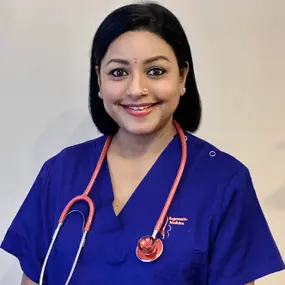
Dr
Consultant- Anaesthesia and Pain management, Kent and Canterbury Hospital
East Kent University Foundation NHS Trust
Special interests in Regional Anaesthesia, Integrated transitional Pain Medicine, Neuromodulation and Medical education.
IBLM/BSLM Certified Lifestyle Medicine Physician and IIN Health coach.
• Recipient of 2024 ESRA (European Society of Regional Anaesthesia and Pain management) award of “Recognition of Education in Pain Medicine”
• An Internationally renowned educator in regional anaesthesia and Pain medicine.
• Faculty and examiner of various national and international governing bodies, fellowship and certification programmes.
• An innovator and thought leader in holistic pain management, anaesthesia and palliative care. Winner of multiple awards for presentations, research, leadership and academic achievement.
• A firm believer and practitioner of holistic approach to healthcare and wellbeing.
• Avid practitioner of lifestyle medicine and preventive medicine for personal, professional and organisational wellbeing.
• Active member of the community, with external interests spanning a range of charitable and value-focused initiatives.
• Author and co-author of many chapters in books and articles
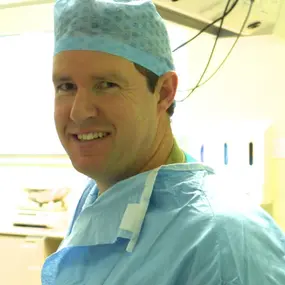
Prof. Dr.
Husband to the fabulous Philippa, father to four amazing sons, part time triathlete and occasional anaesthetist


